Which Types of Carpet Are Easiest to Clean
Fibre and pile style decide how easily a carpet gives up dirt, and how it handles a spill.
October 27, 2026 · 4 min read
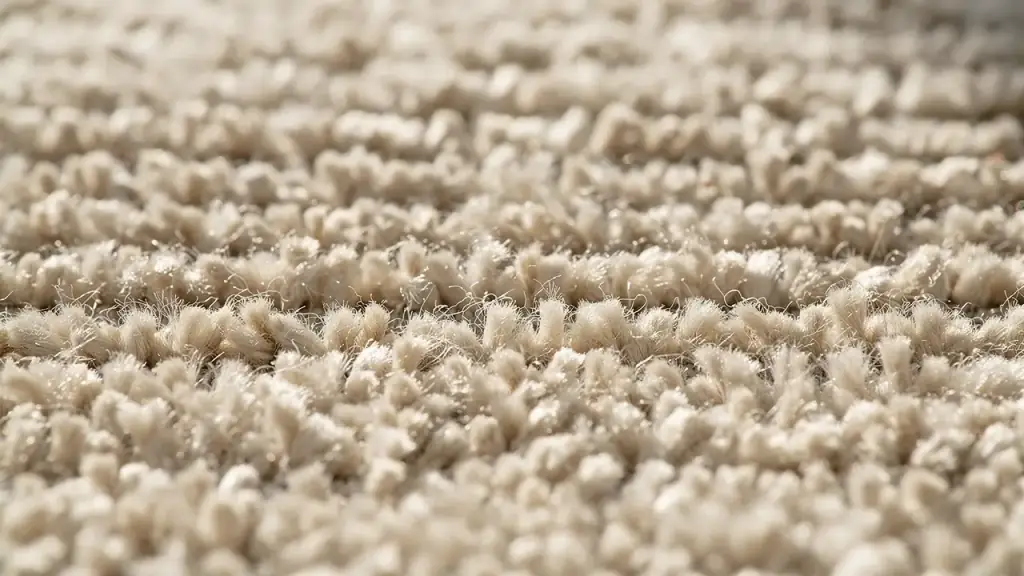
Most people pick carpet by color and price, then find out years later what fibre they bought. In a Brooklyn apartment with a radiator under every window, a stroller in the hall and a dog by the door, the fibre matters more than the color. Here is how the common ones behave when the first spill or the first deep clean arrives.
Nylon: the workhorse
Nylon is the most common fibre in residential carpet, and for good reason. It springs back after furniture has sat on it, it hides foot traffic better than most, and it handles hot water extraction well. Its weak spot is staining. Nylon can take up dye from coffee, red wine and mustard if they sit, so speed matters. Treated nylon resists this better, but that treatment wears down over years of traffic. For a hallway or a family living room, nylon is the safest, easiest choice.
Polyester: soft, with a catch
Polyester feels soft and its colors look rich, which is why it turns up in bedrooms and living rooms. It does not absorb much water, so water-based spills like juice or soda tend to blot up well. The catch is oil. Grease from food, hair and skin clings to polyester and can be stubborn, and the pile tends to flatten in the lanes where people walk. It is a good bedroom carpet and a poor stairway carpet.
Olefin: great with water, poor with oil
Olefin, also sold as polypropylene, is the fibre behind most Berber carpet. It barely absorbs water, so water-based spills sit on top and blot up cleanly, which is why you see it in basements. But it attracts oil, and a greasy fingerprint or a food drip can wick back up after cleaning. Olefin loops also crush and do not recover as well as nylon, so a heavily used lane can look matted within a few years.
Wool: easy to keep, careful to clean
Wool is a natural fibre with natural bounce. It recovers from furniture dents, it ages well, and its surface is less eager to grab a stain than most people expect. The tradeoff is in the deep clean. Harsh alkaline cleaners and too much heat can damage wool or make colors bleed, and wool that gets too wet takes longer to dry and can brown. Day to day it is easy to maintain. When it needs a deep clean, hand it to someone who handles wool often.
Pile style counts as much as fibre
The way a carpet is built decides how dirt sits in it and how it shows wear. These are the four styles you will meet most often.
- Level loop, usually called Berber: tight loops that hide dirt well and clean up on the surface. A snagged loop can run, so cut a snag flush with scissors and never pull it.
- Plush: dense, soft cut pile with a formal look. It shows footprints and vacuum tracks, and traffic lanes read as darker patches, but the cut tips release soil readily when cleaned.
- Frieze: tightly twisted cut pile with a rough, textured surface. It hides footprints and everyday dirt better than plush, and the twist helps it keep its shape.
- Cut-and-loop: a patterned mix of both. It is very good at hiding dirt, and a little fussier to vacuum evenly.
So which is easiest?
For most households, a short, dense nylon is the easiest to live with and the easiest to clean. It takes foot traffic, handles hot water extraction and recovers its shape. A frieze or cut-and-loop style in the same fibre hides dirt between cleanings. Olefin is a fair choice for a damp basement if you are careful with grease. Wool is worth it if you want something that lasts and you are willing to treat it gently. Deep, soft plush looks the best on day one and asks the most of you after that.
What this means in a Brooklyn home
If you rent, you probably did not choose your carpet, but you can still work with it. Wipe boots at the door, because grit is what wears carpet down, and vacuum the lanes where people walk more often than the rest of the room. Blot spills right away with a clean white cloth instead of rubbing. Thick, dense pile holds more moisture, so it is the slowest to dry after a clean. Carpets usually dry within 4 to 6 hours after cleaning, and good airflow from an open window helps.
If you are not sure what fibre you have, tell us what the carpet looks and feels like when you call and we will give you a free estimate. Our wall-to-wall work is covered at carpet cleaning, and rugs have their own page at area rug cleaning.
ASAP Carpet Cleaners, (888) 919-2393
Call (888) 919-2393More articles
How to Clean Vomit From Carpet and Get Rid of the Smell for Good
Remove it quickly, keep the water cold and do not scrub. Here is the order that works.
Top 3 Care and Maintenance Tips for a New Mattress
A protector, a rotation schedule and good airing habits matter more than any product you can buy later.